PRP vs PRF Therapy: Which Is Better for Skin Rejuvenation & Hair Restoration?
If you’ve been exploring options to turn back the clock on aging skin or reclaim lost hair, you’ve likely come across two treatments that sound remarkably similar. When weighing PRP vs PRF therapy, the more advanced option – PRF – generally comes out ahead for both skin rejuvenation and hair restoration, thanks to a richer concentration of healing proteins and a more sustained release that encourages deeper tissue repair. That said, PRP remains a proven, widely available treatment that delivers real results, and for some patients and budgets, it’s still an excellent choice. Understanding how these therapies work and where they differ will help you have a smarter conversation with your provider.
The Role of Growth Factors in Blood-Based Therapies
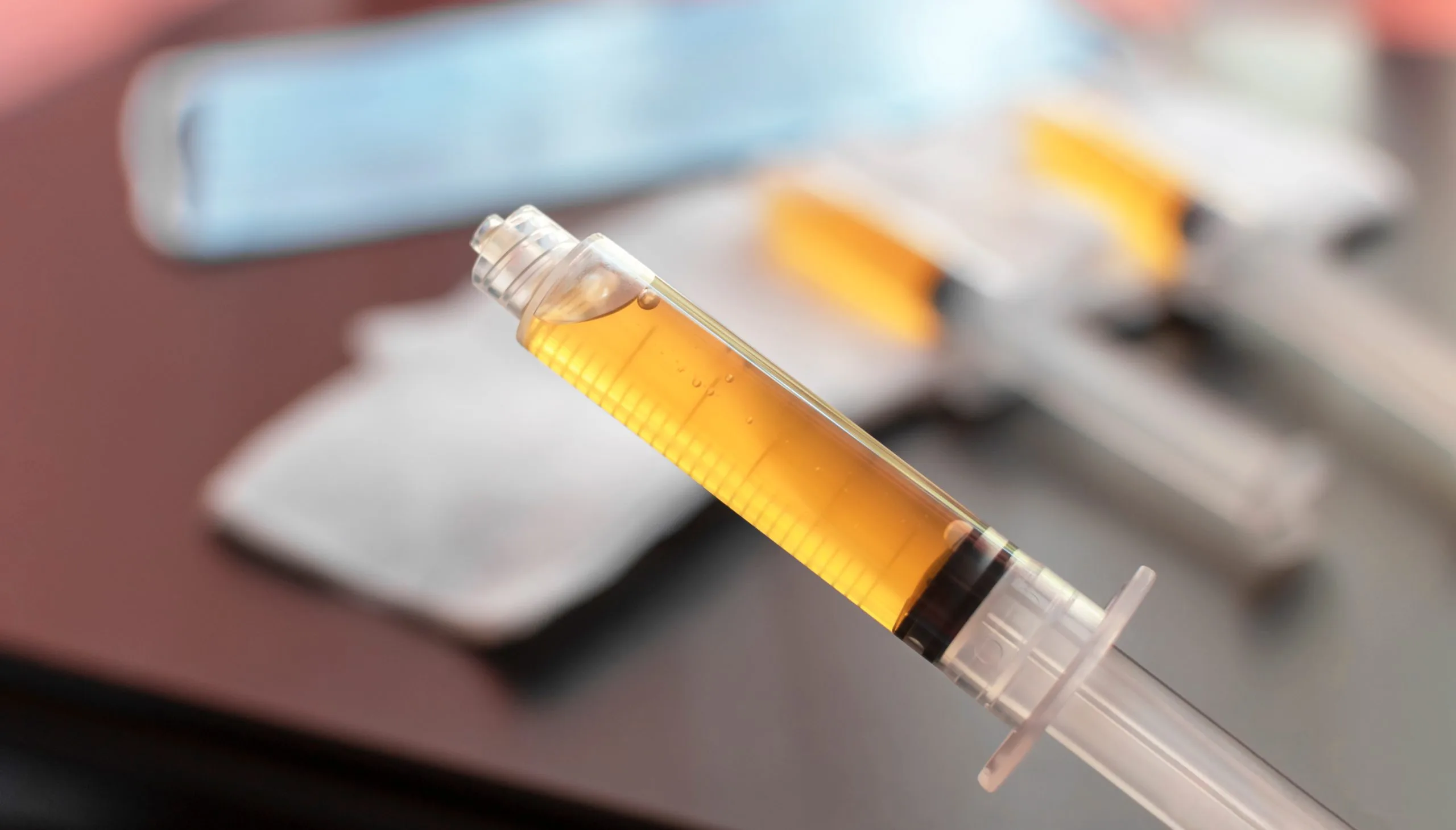
Both PRP and PRF are rooted in the same fundamental science: your own blood holds the building blocks for healing. When you experience a wound or tissue damage, platelets rush to the site and release a cascade of proteins that signal surrounding cells to regenerate. These proteins, collectively known as growth factors, include:
- Platelet-derived growth factor (PDGF)
- Vascular endothelial growth factor (VEGF)
- Transforming growth factor-beta (TGF-β)
- Epidermal growth factor (EGF)
Platelet-Rich Plasma (PRP) Injections
Platelet-rich plasma has been used in medicine for decades. It has been a staple in aesthetic medicine since the early 2000s. The process is straightforward:
- A small sample of your blood is drawn, typically 10–30 mL
- The blood is placed in a centrifuge and spun at high speed to separate its components
- The platelet-rich layer is extracted and prepared for injection
- An anticoagulant (usually sodium citrate) is added to prevent clotting during processing
The result is a liquid concentration of platelets roughly 3–5 times higher than what’s found in normal blood. When injected into the scalp or skin, these platelets activate and release growth factors that stimulate tissue repair.
What PRP treats effectively:
- Early-to-moderate androgenetic alopecia (pattern hair loss)
- Fine lines and superficial wrinkles
- Uneven skin texture and mild laxity
- Under-eye hollowness and dark circles
- Post-procedural healing (often combined with microneedling)
PRP is well-researched, with a large body of clinical literature supporting its safety and efficacy. It’s also widely available at medspas and dermatology clinics, making it more accessible and affordable.
Platelet-Rich Fibrin (PRF) Injections
PRF is a second-generation evolution of PRP, developed in the early 2000s by French oral surgeon Joseph Choukroun. The preparation process looks similar on the surface – blood is drawn and centrifuged – but the critical differences happen at the molecular level.
- PRF is spun at a lower speed and without any anticoagulants. This gentler centrifugation keeps more of the beneficial cells intact, including white blood cells and stem cells that are largely discarded in PRP processing. The absence of anticoagulants allows the plasma to naturally form a fibrin matrix – a web-like scaffold that traps platelets and growth factors, releasing them slowly over 7–10 days rather than all at once.
This slow-release mechanism is what makes PRF particularly compelling. Rather than a short burst of growth factor activity, the body receives a sustained signal to regenerate over a longer period, which many clinicians believe produces more thorough and lasting results.
Why patients and providers are switching to PRF:
- Higher concentration of growth factors than PRP
- Contains fibrin, white blood cells, and stem cells, absent in PRP
- Longer-lasting growth factor release (up to 10 days vs. a few hours with PRP)
- No additives or anticoagulants; entirely autologous (from your own body)
- Growing evidence of superior outcomes for hair density and skin quality
For hair restoration specifically, PRF’s ability to improve follicle vascularization over a sustained period appears to produce better regrowth in patients with moderate hair thinning.
Key Differences Between PRP and PRF Treatments
Understanding the key differences between PRP and PRF treatments doesn’t require a medical degree. Our table below breaks it down clearly.
| Feature | PRP | PRF |
|---|---|---|
| Centrifuge speed | High (1,500–3,000 RPM) | Low (700–1,300 RPM) |
| Additives | Anticoagulants used | None (additive-free) |
| Growth factor concentration | Moderate | Higher |
| Fibrin scaffold | No | Yes |
| White blood cells/stem cells | Minimal | Present |
| Duration of release | Hours | 7–10 days |
| Cost | Generally lower | Generally higher |
Why PRF (Platelet-Rich Fibrin) Is Gaining Ground in Aesthetic Medicine
The growing preference for PRF (platelet-rich fibrin) among aesthetic providers isn’t just trend-chasing – it reflects a meaningful clinical shift. As longer-term outcome data accumulates, more practitioners are finding that patients treated with PRF maintain their results longer between sessions and require fewer treatments overall to achieve comparable outcomes to PRP.
- For skin rejuvenation, PRF is often used as an injectable filler alternative for delicate areas like the under-eyes and temples, where its gel-like consistency after centrifugation offers a subtle volumizing effect alongside regenerative benefits. This dual action of filling and healing is something PRP simply can’t replicate.
- For hair restoration, studies comparing the two treatments have generally favored PRF for increasing hair count and thickness, particularly in patients with diffuse thinning. However, both treatments work best as part of a comprehensive plan that may include topical treatments, nutritional support, or other interventions depending on the underlying cause of hair loss.
Which One Should You Choose?
The honest answer depends on your goals, your provider’s expertise, and your budget. If cost is a primary concern and you’re dealing with early hair loss or mild skin aging, PRP is a clinically sound starting point that has helped millions of people. If you want to maximize results, minimize the number of sessions, and benefit from the latest science in regenerative medicine, PRF is worth the additional investment.
Talk to a board-certified dermatologist or plastic surgeon who can assess your specific anatomy, degree of hair loss or skin aging, and overall health before recommending a protocol. The best treatment is always the one designed for you, not a generic package off a price list.Our Specialists Can Help You Choose the Right Treatment
At Ortho-Rejuv, our specialists understand that no two patients are alike, which is why we build personalized treatment plans tailored to your unique concerns, whether you’re dealing with thinning hair, acne scars, or skin that has lost its youthful vitality. Our team is experienced in a full range of regenerative therapies and aesthetic treatments, giving you access to the most effective options available under one roof. We take the time to evaluate your skin and scalp health thoroughly before recommending any course of action, so you can move forward with confidence rather than guesswork.
From PRP therapy to advanced PRF protocols, our approach is grounded in the science of tissue regeneration and the body’s own healing factors. We specialize in skin rejuvenation treatments designed to improve skin texture, restore volume, and stimulate the release of growth factors that encourage your body to repair itself from within. Whether your goal is to address hair thinning, smooth out acne scars, or simply refresh your appearance, our specialists will walk you through every option and help you choose the path that aligns with your goals, lifestyle, and budget.
Conclusion
Both PRP treatments and injectable platelet-rich fibrin (PRF) represent a remarkable shift in how modern medicine approaches facial aesthetics, hair regrowth, and skin regeneration. By harnessing the healing potential in a patient’s blood, these therapies work with the body’s natural healing process rather than against it, stimulating collagen production, improving uneven skin tone, and supporting overall skin health in ways that synthetic treatments cannot replicate. The same biological principles that have long guided tissue healing in plastic and reconstructive surgery are now being applied with precision to aesthetic concerns, making these treatments far more than a cosmetic trend.
If you’re considering either therapy, a consultation with a qualified provider is an essential first step. Certain health conditions and blood-thinning medications can affect your candidacy, and the right protocol will depend on whether your primary goal is to stimulate hair growth, address skin laxity, or achieve broader skin regeneration. When performed correctly by an experienced specialist, both approaches tap into a profound healing potential that continues to be validated by research in plastic surgery and regenerative medicine, offering patients a natural path to looking and feeling their best.