

Skin Treatment
Hyperpigmentation affects millions of people worldwide, manifesting as unwanted darker patches on the skin that can impact confidence and appearance. The most effective approach to treating hyperpigmentation involves a combination of prescription-strength topical treatments, such as hydroquinone, tretinoin, and tranexamic acid, alongside professional procedures, such as chemical peels and laser therapy, all while maintaining strict sun protection with a broad-spectrum SPF containing iron oxide. With consistent use over 8-12 weeks, these medical-grade solutions can significantly reduce discoloration and restore a more even skin tone.

Hyperpigmentation occurs when melanocytes, the cells that produce skin pigment, go into overdrive and produce excess melanin in specific areas. This can happen for numerous reasons: sun damage, hormonal fluctuations during pregnancy or from birth control pills, inflammatory responses from acne or injuries, and even certain medications. The result is concentrated areas of darkening that stand out against your natural skin tone.
What makes hyperpigmentation particularly frustrating is its stubborn nature. Unlike a temporary blemish that fades on its own, these darker areas require targeted intervention to break down existing pigment and prevent new melanin production. Understanding the root cause of your specific hyperpigmentation is crucial because it helps determine which treatment approach will be most effective for your situation.
Medical-grade hyperpigmentation treatments work through different mechanisms to address discoloration. Some inhibit the enzyme tyrosinase, which is essential for melanin production, while others accelerate cell turnover, shedding pigmented skin cells more quickly. The gold-standard approach typically combines multiple treatments to achieve synergistic effects.
Laser therapy targets hyperpigmentation by delivering precise energy to melanin-rich areas, breaking up excess pigment while stimulating collagen production and skin renewal. Devices like Aerolase® are particularly effective because they use a 1064 nm wavelength that safely treats all skin tones with minimal risk of post-inflammatory hyperpigmentation. Laser treatments can significantly improve stubborn discoloration, including melasma and post-acne marks, especially when combined with topical therapies. Multiple sessions are typically required for optimal results, and proper sun protection is essential to maintain improvements.
The VI Peel is a medical-grade chemical peel designed to improve hyperpigmentation by accelerating cellular turnover and exfoliating pigmented layers of the skin. Formulated with a blend of ingredients, including trichloroacetic acid (TCA), salicylic acid, retinoic acid, and vitamin C, the VI Peel effectively treats melasma, sun damage, and post-inflammatory hyperpigmentation while being safe for a wide range of skin tones. Results often become visible within a week, with continued improvement over several weeks. A series of peels, combined with strict sun protection and supportive skincare, yields the best long-term outcomes.
Hydroquinone remains the most potent and well-researched ingredient for treating hyperpigmentation. Available in concentrations up to 4% by prescription (2% over-the-counter), this ingredient inhibits tyrosinase and reduces melanin production at the cellular level. Most dermatologists recommend using hydroquinone for 3-4 months, followed by a maintenance period with other ingredients to prevent rebound hyperpigmentation.
Prescription tretinoin accelerates skin cell turnover, helping to shed pigmented cells while preventing new dark spots from forming. When combined with hydroquinone, tretinoin enhances penetration and effectiveness, making it a cornerstone of many dermatologist-prescribed regimens. Patients typically see noticeable improvements within 12 weeks of consistent use.
This newer player in the hyperpigmentation arena has gained significant attention for its ability to reduce melanin production through a different pathway than traditional treatments. Available both topically and orally (by prescription), tranexamic acid is particularly effective for melasma and post-inflammatory hyperpigmentation.
Azelaic acid deserves special attention as a multi-tasking ingredient that’s both effective and gentle enough for sensitive skin. This naturally occurring acid works by normalizing melanin production, reducing inflammation, and providing antibacterial benefits – making it ideal for those dealing with both acne and hyperpigmentation simultaneously.
Available in prescription strengths of 15-20% and over-the-counter formulations at 10%, azelaic acid can be used long-term without the risks associated with hydroquinone. It’s particularly beneficial for individuals with darker skin tones who may be at higher risk for post-inflammatory hyperpigmentation, as it’s less likely to cause irritation that could trigger additional darkening.
Kojic acid, derived from mushrooms, is another tyrosinase inhibitor that helps fade dark spots effectively. Typically used in concentrations of 1-4%, it’s often combined with other brightening ingredients in serums and creams. While slightly less potent than hydroquinone, kojic acid offers a good alternative for those who can’t tolerate stronger treatments or need a maintenance option.
Glycolic acid, an alpha-hydroxy acid (AHA), doesn’t directly lighten pigmentation but plays a crucial supporting role. By exfoliating the skin’s surface and promoting cell turnover, glycolic acid helps other brightening ingredients penetrate more effectively while physically removing pigmented dead skin cells. Professional-strength glycolic acid peels can provide more dramatic results, though they require careful application and monitoring.
Chemical peels represent a more aggressive approach to treating hyperpigmentation, using controlled chemical exfoliation to remove pigmented skin layers. The depth of the peel determines both the results and recovery time:
Most dermatologists recommend a series of 4-6 superficial to medium peels spaced 2-4 weeks apart for optimal results. The key is working with a qualified professional who can assess your skin type and customize the treatment strength accordingly.
Individuals with darker skin tones face unique challenges when treating hyperpigmentation. The higher melanin content in their skin means greater risk of post-inflammatory hyperpigmentation from treatments themselves – a frustrating irony where the cure can temporarily worsen the condition.
For this reason, dermatologists typically take a more conservative approach with darker complexions, starting with lower concentrations of active ingredients and gentler procedures. Ingredients like azelaic acid, kojic acid, and vitamin C are often preferred initial options before progressing to stronger treatments. Laser and light-based therapies require particular caution, as certain wavelengths can actually stimulate melanin production in darker skin. Nd:YAG lasers and fractional lasers with specific settings are generally safer choices for deeper skin tones.
Sun protection isn’t just important for preventing new hyperpigmentation – it’s absolutely essential for treating existing discoloration. However, standard sunscreen isn’t enough. Medical-grade sunscreens for hyperpigmentation should contain iron oxide in addition to traditional UV filters.
Iron oxide provides protection against visible light and infrared radiation, which can also trigger melanin production. This is particularly important for melasma and other hormonally-influenced hyperpigmentation. Look for tinted mineral sunscreens with zinc oxide, titanium dioxide, and iron oxide for comprehensive protection. Apply every 2 hours when outdoors, and reapply even indoors if you’re near windows, as visible light can penetrate glass.
Building an effective routine requires patience and consistency. A typical medical-grade regimen might look like this:
Morning:
Gentle cleanser
Vitamin C serum
Moisturizer
Tinted sunscreen with iron oxide (SPF 50+)
Evening:
Gentle cleanser
Prescription treatment (hydroquinone, tretinoin, or combination)
Azelaic acid or kojic acid (if not using prescription strength)
Hydrating moisturizer
Weekly:
Gentle exfoliation with glycolic acid or an enzyme mask
Professional chemical peels (as recommended by a dermatologist)
Remember that results take time. Most treatments require 8-12 weeks of consistent use before significant improvement becomes visible, and optimal results may take 6 months or longer. Avoid the temptation to use multiple strong treatments simultaneously, as this can cause irritation and potentially worsen hyperpigmentation.
Ready to address your uneven skin tone and achieve the clear, radiant complexion you deserve? At Ortho-Rejuv, our experienced team specializes in advanced professional treatments designed to reduce hyperpigmentation and restore optimal skin health. We’ll create a customized treatment plan combining effective topical therapies with in-office procedures, while providing professional guidance on minimizing sun exposure, managing skin inflammation, and incorporating protective strategies, such as wearing protective clothing, into your daily routine.
Don’t let dark spots hold you back – contact Ortho-Rejuv today to schedule your comprehensive skin evaluation and take the first step toward even, luminous skin.
If you’re wondering how to treat hyperpigmentation, the answer lies in understanding that effective management requires a multifaceted approach tailored to your unique skin needs. Whether you have lighter skin tones prone to age spots or deeper complexions at risk for post-inflammatory darkening, the medical-grade treatment options discussed in this guide offer proven pathways to glowing skin.
Success in addressing skin pigmentation disorders depends on three critical factors: selecting the right hyperpigmentation therapy for your specific condition, protecting your skin from UV exposure through diligent sunscreen use and preventive measures, and maintaining patience throughout the treatment process while monitoring for potential skin irritation. Remember that those stubborn dark brown patches didn’t appear overnight, and they won’t disappear overnight either – but with informed care and professional guidance, you can achieve the radiant complexion you’ve been seeking.

Menu



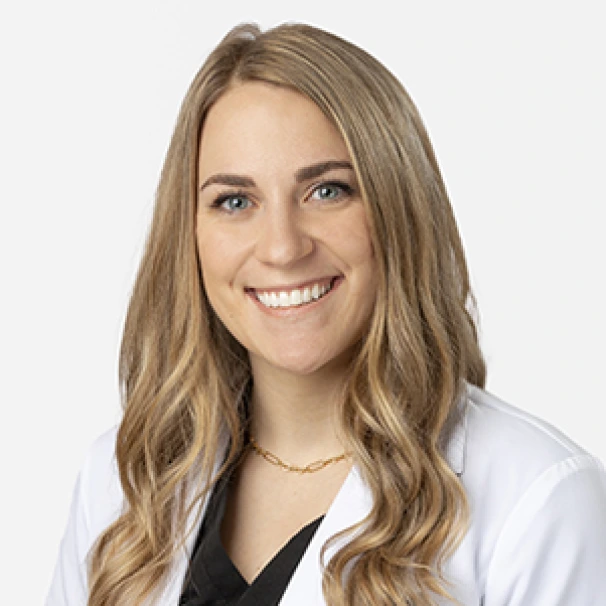

Dr. Natalie Mesnier, the driving force behind Ortho-Rejuv Wellness and Aesthetics, stands at the forefront of aesthetic innovation. With a rich background in the aesthetic realm, she is notably skilled in anti-aging laser therapies, skin revitalization, and the meticulous use of injectables and fillers. Alongside her certifications in advanced aesthetic procedures, including PRP and neuromodulator applications, Dr. Mesnier’s mission is singular: to empower patients to experience and radiate their utmost beauty and confidence.