What Causes Hyperpigmentation?
In most cases, it’s triggered when the skin produces extra melanin (the pigment that gives skin its color) in response to things like UV exposure, hormonal shifts, inflammation from acne or irritation, certain medications, and genetics, leading to patches or spots that look darker than the surrounding skin. Hyperpigmentation is common, often harmless, and sometimes stubborn, but understanding the root cause is the first step toward managing it effectively.
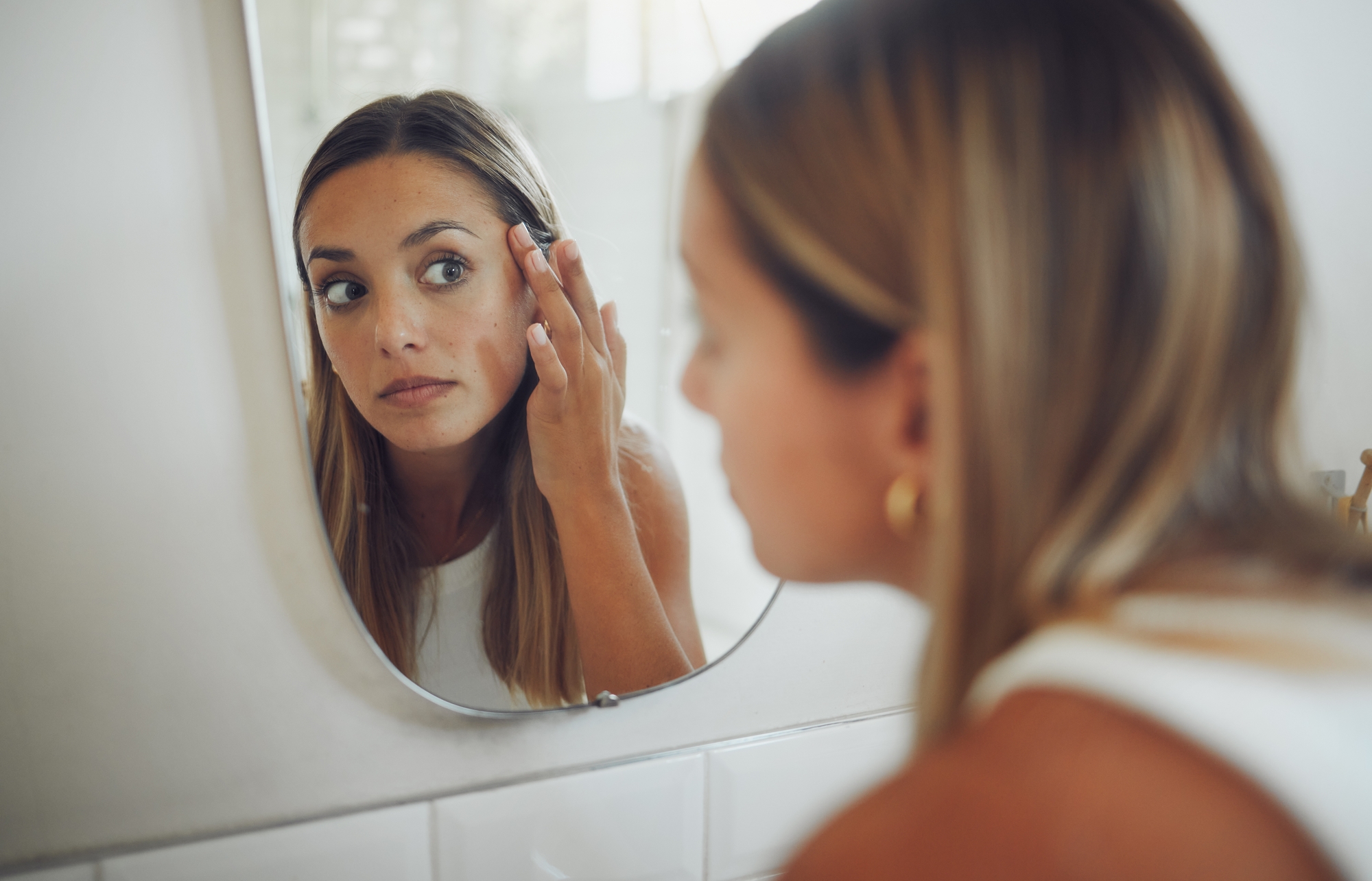
Understanding Hyperpigmentation
Hyperpigmentation is an umbrella term for areas of skin that become darker than your natural baseline tone. It can show up as:
Small spots (like freckles or sun spots)
Larger patches (like melasma)
Marks left behind after breakouts or irritation (often called post-inflammatory hyperpigmentation)
It can affect many areas – most commonly the face, chest, shoulders, back, hands, and any skin that gets regular sun exposure. People of all skin tones can develop hyperpigmentation, though the way it appears (and how long it lingers) can vary widely by skin type and the underlying trigger.
How Skin Pigmentation Works
Your skin color is largely determined by melanin, produced by specialized cells called melanocytes. Melanin isn’t just about appearance – it also plays a protective role. When skin senses a stressor (especially UV light), melanocytes can ramp up melanin production to help shield deeper layers of the skin.
Melanin is packaged into tiny units and delivered to surrounding skin cells. If everything stays balanced, pigment looks even. But when melanin production becomes overactive or unevenly distributed, you may see:
Darker spots (localized melanin increase)
Larger, blotchy patches (broader melanin stimulation)
Persistent marks after inflammation (pigment left behind during healing)
Hyperpigmentation can be superficial (closer to the surface) or deeper in the skin, and that depth often influences how quickly it fades.
Main Causes of Hyperpigmentation
Sun Exposure and UV Damage
UV exposure is one of the most common culprits. Even brief, repeated sun exposure can stimulate melanin production, especially if you’re prone to freckles, age spots, or uneven tone.
Over time, UV exposure can lead to:
Sun spots/age spots (often on face, hands, chest)
Worsening melasma
Uneven overall skin tone
Darkening of existing marks (like acne spots)
Importantly, UV exposure doesn’t need to mean a sunburn. Cumulative day-to-day exposure – walking the dog, driving, sitting by a window – can still contribute to pigment changes.
Practical prevention tips
Use broad-spectrum sunscreen daily and reapply when outdoors.
Pair sunscreen with physical protection: hats, sunglasses, and shade.
Be consistent – pigment prevention is about daily habits.
If sun-related discoloration is a concern, Ortho-Rejuv addresses this condition effectively (see our sun damage page).
2. Hormonal Changes
Hormones can strongly influence melanocytes. When hormones fluctuate, pigment production can become more reactive, particularly on the face.
A classic example is melasma, which often appears as symmetrical brown or gray-brown patches on areas like the cheeks, forehead, upper lip, or nose. It’s commonly associated with:
Pregnancy
Hormonal birth control
Other hormone shifts that increase pigment sensitivity
Melasma is also strongly aggravated by UV exposure, which can deepen or reactivate it. That’s one reason a pigment plan often focuses heavily on sun protection and consistency.
Clues that hormones may be involved
The pigmentation is patchy and fairly symmetrical
It appeared during a life stage of hormonal change
It darkens noticeably in summer or after sun exposure
Because multiple factors can overlap (hormones, sun, heat, and irritation), identifying melasma triggers can be a key part of long-term management.
3. Post-Inflammatory Hyperpigmentation (PIH)
Post-inflammatory hyperpigmentation, often abbreviated PIH, occurs when the skin produces excess pigment after inflammation or injury. This is one of the most common reasons people notice lingering marks from acne, rashes, or irritation.
PIH may follow:
Acne breakouts (especially deeper, more inflamed lesions)
Bug bites
Eczema or dermatitis flare-ups
Over-exfoliation or harsh products
Friction or repeated rubbing
PIH often looks like flat brown, tan, or gray marks where the inflammation occurred. It’s not the same as a raised scar, though scars and PIH can occur together.
Tips that can help reduce PIH triggers
Avoid picking or squeezing blemishes (it increases inflammation and injury).
Use gentle skincare, especially during breakouts.
Don’t “stack” too many active ingredients at once if your skin is reactive.
Protect healing skin from UV exposure, which can deepen marks.
Because PIH is closely tied to skin health and barrier support, professional guidance can be helpful when marks persist or breakouts are ongoing.
4. Medications and Chemical Exposure
Some medications and chemical exposures can increase the likelihood of hyperpigmentation by making skin more sensitive to light (photosensitivity) or by influencing pigment pathways directly.
Potential contributors can include:
Certain prescription medications that increase sun sensitivity
Reactions to topical products that irritate the skin
Occupational or environmental chemical exposure that triggers inflammation or discoloration
In these cases, pigment may appear after sun exposure, after a skin reaction, or in patterns that correspond to where a product was applied.
What to do if you suspect this
Check whether your medication includes warnings about photosensitivity.
Use consistent sun protection if you’re on a sensitizing medication.
If a new product seems to trigger irritation or discoloration, stop and reassess your routine.
If you’re unsure whether a medication is a factor, it’s reasonable to bring a list of current products and medications to a professional evaluation.
5. Genetic Factors
Genetics can shape how readily your melanocytes respond to triggers, such as sunlight, inflammation, or hormones. Some people are simply more prone to developing:
Freckles
Sun spots
PIH after breakouts or irritation
Melasma-like patchy discoloration
Genetic tendency doesn’t mean you’re destined to have hyperpigmentation. However, it can mean you’ll need to be more proactive about prevention and consistent with your routine.
Signs that genetics may play a role
A family history of melasma or pronounced sun spots
Freckling that appears easily
Dark marks that linger longer than expected after acne or irritation
When genetics are involved, prevention strategies (especially UV protection) often become even more important.
Less Common Causes
Certain Medical Conditions
While most hyperpigmentation is related to sun, hormones, or inflammation, some medical conditions (e.g., metabolic disorders, Acanthosis Nigricans, or Addison’s Disease) can cause skin darkening in specific patterns. This may show up as more generalized discoloration, darkening in body folds, or changes accompanied by other symptoms.
Because hyperpigmentation is a visible sign with many possible drivers, it’s important not to self-diagnose if the pattern is new, spreading quickly, or associated with other health changes.
Consider a medical evaluation if
Pigmentation changes are sudden or widespread
You have itching, pain, scaling, or bleeding
You notice changes in a mole or a new, changing spot
A professional can help determine whether the pigmentation appears consistent with common hyperpigmentation patterns or whether further medical workup is appropriate.
2. Skin Injuries and Trauma
Any trauma to the skin can lead to pigment changes during healing. This overlaps with PIH but can be broader and includes injuries such as:
Cuts or scrapes
Burns
Procedures or aggressive exfoliation
Friction-related irritation (tight clothing, repetitive rubbing)
If the injury triggers inflammation, melanocytes may respond by producing more melanin in that area. The resulting discoloration can fade over time, but repeated trauma or sun exposure on healing skin may prolong it.
Helpful habits during healing
Keep routines gentle – avoid harsh scrubs or strong actives on healing areas.
Minimize friction (loose clothing, avoid rubbing).
Use diligent sun protection, especially on fresh marks.
How to Identify the Cause of Your Hyperpigmentation
Because multiple triggers can overlap, identifying the cause is often about noticing patterns. Start with these practical questions:
When did it start?
After a vacation (sun)? After a breakout (PIH)? During a hormonal shift?Where is it located?
Forehead/cheeks/upper lip can suggest melasma patterns
Hands/chest/face can suggest sun-related pigment
Exactly where a blemish was can suggest PIH
What does it look like?
Small, defined spots: often sun spots or freckles
Larger, patchy areas: often melasma-like patterns
Flat marks after irritation: often PIH
Does it change with seasons or sun exposure?
Darkening in summer is a strong clue that UV exposure is involved.Are you using new products or taking new medications?
Irritation or photosensitivity can be a hidden driver.
Keeping a quick timeline – when you noticed it, what products you started, recent sun exposure, acne flare-ups – can make an evaluation more efficient.
When to See a Professional
Consider an in-person evaluation if:
You can’t tell whether it’s melasma, PIH, sun spots, or something else
Dark patches keep returning, even with good sun protection
You’re getting pigment along with redness, sensitivity, or frequent irritation
You have acne or inflammation that’s continuously creating new marks
The pigmentation is affecting your confidence, and you want a targeted plan
At Ortho-Rejuv in Portland, hyperpigmentation concerns may be addressed with options available on-site, such as Aerolase® technology (noted for targeting excess melanin production without damaging healthy skin cells, often over multiple gentle sessions) and other skin-focused services, depending on your needs.
Conclusion
Most often, it’s a combination of UV exposure, hormonal influences, inflammation (such as acne-related PIH), medication or product-related sensitivity, and genetic predisposition – all of which can increase melanin activity and create uneven tone. The most reliable prevention foundation is consistent sun protection and avoiding unnecessary irritation, while persistent or unclear discoloration is a good reason to seek a professional evaluation for a more personalized plan.