Understanding PRP and PRF
Both treatments come from your own blood. Neither uses synthetic drugs or donor tissue. The difference lies in how the blood is processed and what ends up in the final product.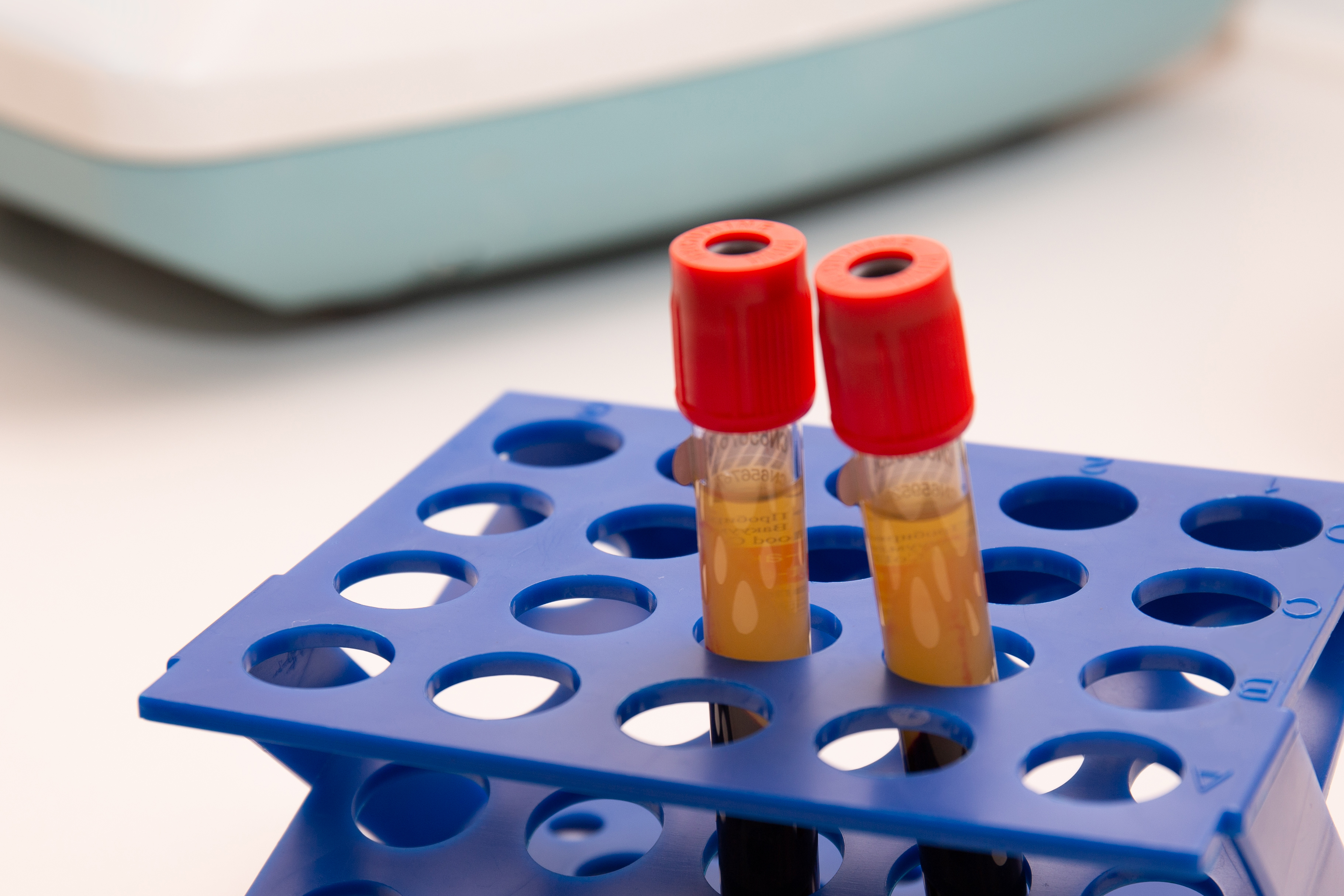
What Is PRP?
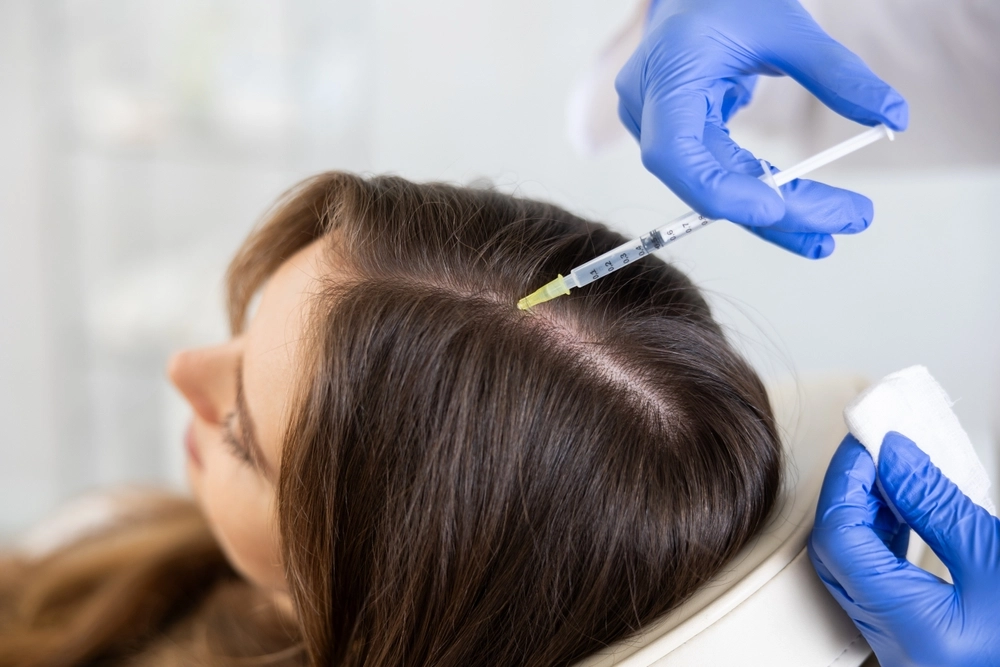
Platelet-rich plasma, or PRP, is a concentrated layer of platelets taken from a small sample of your blood. Platelets carry growth factors, which are proteins that signal cells to repair and renew. When placed in the scalp, these signals reach the hair follicles directly. Our team offers PRP treatments to help combat hair loss and to refresh aging skin.This short clip shows how PRP works, from blood collection and centrifugation to PRP collection and injection.
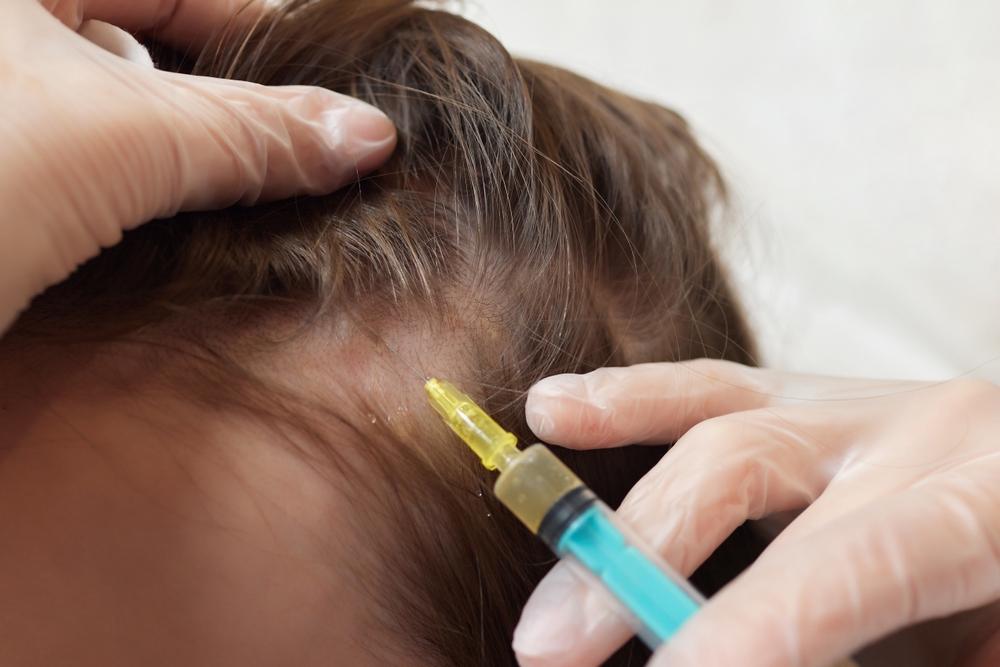
Platelet-rich fibrin, or PRF, is a newer version of the same idea. It also comes from your blood, but it is spun at a lower speed and contains no anticoagulant. This leaves behind platelets, white blood cells, and fibrin. Fibrin is the natural protein that forms a soft mesh when blood begins to clot. That mesh holds the growth factors in place and releases them over time.
How Do PRP and PRF Work for Hair Restoration?
Hair follicles that are shrinking or resting need a reason to grow again. Growth factors from platelets support blood flow around the follicle and encourage weak follicles to return to an active growth phase. Over time, this can mean less shedding, thicker strands, and better density in thinning areas. Both treatments work on follicles that are still alive. They help struggling hair grow stronger. They do not create new follicles where none remain.
PRP vs. PRF: Key Differences
The two treatments share a goal, but they reach it in different ways.
Preparation and Additives
PRP is usually spun at a higher speed and often mixed with an anticoagulant to keep it liquid. Some methods also add an activating agent. PRF skips these additives entirely. It is spun more gently, so it stays closer to your body’s natural blood makeup. Patients who want a treatment that is purely from their own body often prefer PRF for this reason.
Growth Factors and Effectiveness
PRP delivers a strong burst of growth factors that peaks soon after treatment. PRF releases growth factors more gradually because the fibrin mesh holds them in place. PRF also keeps more white blood cells and stem cells, which play a role in healing. Many providers believe this slower, steadier release gives follicles longer exposure to the signals they need.
Handling and Application
PRP stays liquid, which makes it easy to work with and to pair with other treatments. PRF must be used soon after it is drawn, because it begins to form its natural gel within minutes. This requires a team that can move efficiently once the sample is ready. Both can be combined with SkinPen Microneedling, which creates tiny channels that help the platelets reach deeper into the scalp.
Benefits of PRP and PRF for Hair Restoration
Both options share key advantages. They involve no incisions and little downtime. Most patients return to normal routines the same day.
Benefits of PRP
- Longer track record for hair loss than PRF
- Liquid form pairs well with microneedling
- Strong early release of growth factors
- A good fit for patients who respond well to it and want to continue a familiar treatment
- No anticoagulants or chemical additives
- Slower, longer release of growth factors
- Contains white blood cells and stem cells that support healing
- May require fewer sessions for some patients, depending on how they respond
Comparing PRP and PRF for Hair Loss
The heart of PRP vs. PRF for Hair Loss: What Our Provider Recommends comes down to one point: both work, but they suit different patients.
What Does the Clinical Evidence Say?
PRP has been studied for hair loss for many years. The research shows it can reduce shedding and improve hair count and thickness in many patients with pattern hair loss. PRF research is newer and smaller. Early findings are encouraging, and many show results equal to or better than PRP. Because PRF is still being studied, results vary, and more long-term data is still coming.
Which Works Better for Hair Loss?
Neither treatment wins for every person. PRF’s slower release and lack of additives give it an edge in theory, and that is why our hair loss program centers on it. PRP still works well, especially when paired with microneedling. The type of hair loss, how long it has been present, and how your body responds all matter more than the label on the tube.
Types of Hair Loss Treated (Alopecia, Pattern Baldness, etc.)
Platelet treatments tend to help with:
- Androgenetic alopecia. This is male or female pattern hair loss, the most common type. It responds well when treated early.
- Telogen effluvium. This is shedding after stress, illness, childbirth, or weight changes.
- General thinning. This includes a wider part or less volume over time.
Some patients with alopecia areata also see improvement, though this condition needs a careful medical review first. Scarring forms of hair loss, where follicles have been destroyed, usually do not respond. An evaluation helps sort out which type you have before treatment begins. You can read more on our hair loss treatment page.
Treatment Process and Results
Hair grows slowly, so platelet treatments work over months, not weeks.
Number of Sessions Needed
Most plans start with a series of three to four sessions spaced about four to six weeks apart. Some patients with mild thinning need fewer sessions. Patients with more advanced loss may need more. PRF’s slower release may allow longer gaps between visits for some people. Your plan is set after your scalp is examined.
Expected Results Timeline
Many patients first notice less shedding within two to three months. New growth and better thickness often show around three to six months. Fuller results usually appear between six and twelve months. Photos taken at each visit help track progress, since day-to-day changes are hard to see in the mirror.
Maintenance and Follow-Up
Platelet treatments do not stop the causes of hair loss for good. Pattern hair loss keeps progressing with age and hormones. Most patients keep their results with a maintenance session every four to six months, or once or twice a year. Our team adjusts this schedule based on how your hair holds up.
Safety, Side Effects, and Recovery
Because PRP and PRF come from your own blood, they are well tolerated by most patients. Most patients wash their hair and return to normal activity within a day. Our team gives specific aftercare guidance at each visit.
Who Should Avoid PRP or PRF?
These treatments may not be right for patients who:
- Have a blood or platelet disorder
- Take blood thinners that cannot be paused safely
- Have an active scalp infection or skin condition in the area
- Are undergoing cancer treatment
- Are pregnant or breastfeeding
A full health history is reviewed before any treatment. If platelet therapy is not a safe fit, our team can talk through other options.
How to Choose the Right Treatment for You
The right choice depends on your hair, your health, and your preferences.
Factors to Consider
- Type and stage of hair loss. Early thinning responds better than long-standing bald areas.
- Preference for additive-free treatment. PRF uses nothing but your own blood.
- Past response. Patients who have done well with PRP may choose to continue it.
- Schedule. PRF’s slower release may mean fewer visits for some patients.
- Combination options. Both pair well with microneedling for added results.
Our Provider’s Recommendation
Our team is created and led by medical doctors, and Dr. Natalie Mesnier, MD (General), oversees our regenerative treatments. For most patients with thinning hair, we build the plan around PRF. It contains no additives, holds growth factors in a natural fibrin mesh, and releases them steadily into the scalp. PRP is still offered when it suits a patient better, such as when it is paired with microneedling or when a patient has already responded well to it.
Every plan starts with an evaluation. We look at the pattern of your hair loss, your health history, and what you hope to achieve. From there, our team recommends PRF, PRP, or a combination with microneedling. Patients leave knowing which treatment fits them, how many sessions to expect, and what results are realistic. You can learn more on our PRP & PRF page.
Conclusion
PRP and PRF both use your own platelets to strengthen thinning hair. PRF is our main approach for hair loss because it has no additives and releases growth factors over a longer period. PRP remains a solid option for some patients. Results build over three to twelve months, with maintenance to keep them. An evaluation with our team is the clearest way to know which treatment fits your hair.